
Medical-Grade Light Therapy Isn’t a Buzzword
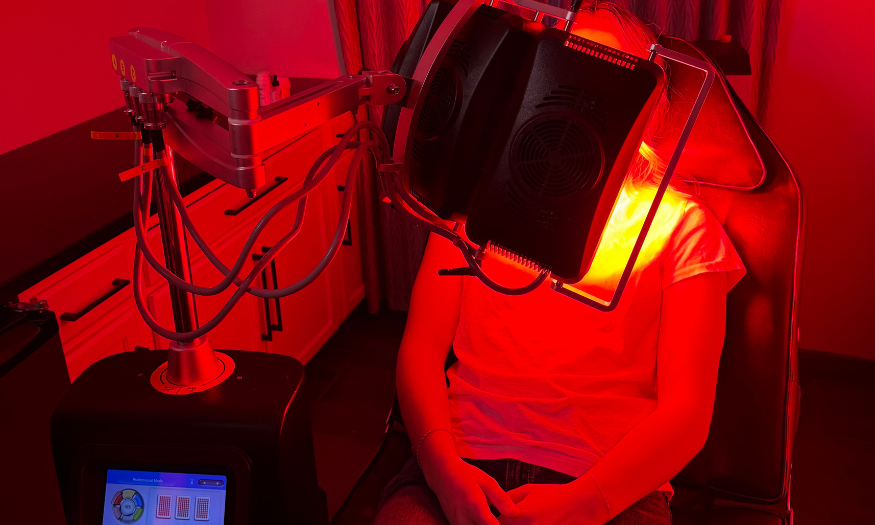
What “Medical-Grade” Low-Level Light Therapy Actually Means
Low-level light therapy (LLLT) is everywhere right now.
But not all light therapy is created equal and not all of it belongs in a clinical setting.
“Medical-grade” isn’t a buzzword. It’s a standard.
First: What LLLT Actually Does
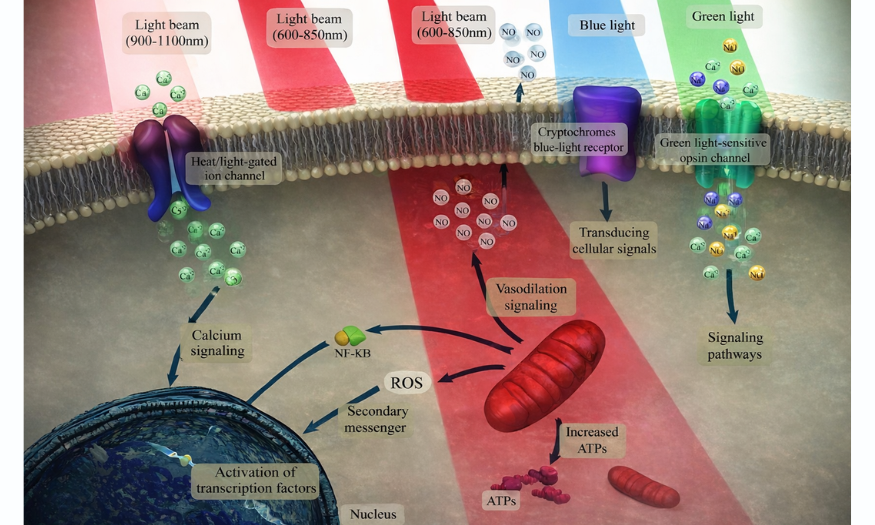
Low-level light therapy, also referred to as photobiomodulation, uses specific wavelengths of light to stimulate cellular function. When delivered correctly, these wavelengths interact with mitochondrial chromophores in the skin, triggering cellular signaling, ATP production, increased circulation, and tissue repair pathways
This is why LLLT has been studied across both medical and aesthetic applications, including inflammation management, wound healing, skin rejuvenation, and recovery support
The Mistake Most People Make
They stop at wavelength. Wavelength matters.
But wavelength alone doesn’t determine results.
What “Medical-Grade” Really Means
Not all light therapy systems deliver light in a way that produces consistent biological response.
Medical-grade LLLT is defined by control, consistency, and dose.
That includes:
Clinically relevant wavelengths
Verified irradiance (power density)
Measured fluence (total energy delivered)
Consistent output across the entire treatment area
Built-in safety protocols
Consumer or wellness devices may emit light but without sufficient energy density or controlled delivery, outcomes become unpredictable.
Why Bright ≠ Effective
Light therapy isn’t about brightness.
It’s about how much energy reaches the tissue.
If irradiance is too low or energy delivery is inconsistent, the biological response becomes unreliable even if the wavelength is technically correct
This is where consumer devices fall short in clinical environments.
Without the correct dose, light may feel soothing but it won’t reliably activate the cellular responses LLLT is known for
Why Providers Care (Even If Patients Don’t Ask)
Patients don’t ask about fluence or irradiance. They ask whether it works.
Medical-grade systems allow providers to:
Deliver repeatable results
Train staff with confidence
Standardize protocols
Integrate treatments without slowing the day
Consistency is the real value.
Where InfinityPro Fits
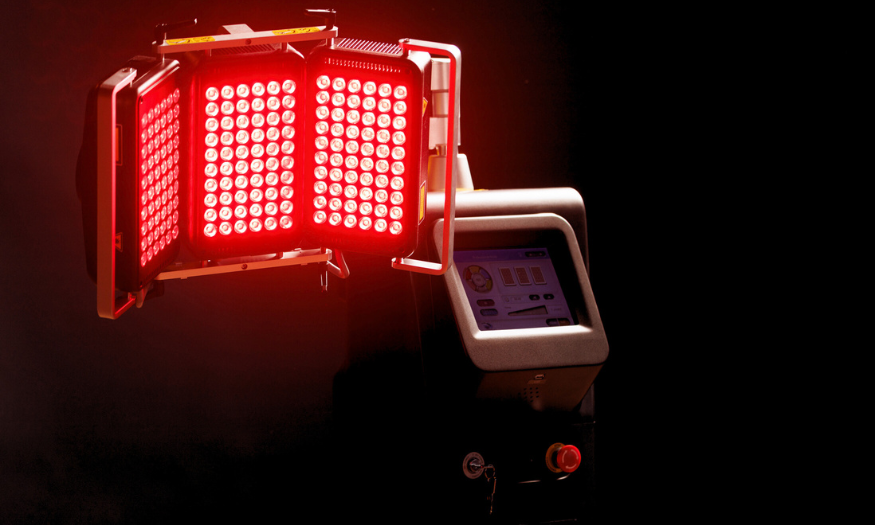
InfinityPro was designed as a medical-grade low-level light therapy platform, not a wellness accessory.
Clinical LLLT needs to be consistent, controllable, and easy to integrate into real-world workflows.
InfinityPro delivers five therapeutic wavelengths plus infrared, allowing providers to address multiple tissue responses within a single session. Rather than isolating benefits, wavelengths can be stacked simultaneously.
For example, pink + infrared combines:
Antibacterial support
Inflammation modulation
Deeper tissue interaction
All in one treatment, at medical-grade parameters.
Final Thought
Medical-grade light therapy doesn’t feel flashy.
It feels reliable.
And reliability is what turns technology into part of the standard of care.
