
Already offering IPL? The next evolution is combination light therapy.
Already offering IPL? The next evolution is combination light therapy.
Many practices have already integrated IPL into their treatment protocols.
And for good reason.
IPL has become one of the most widely adopted technologies in skin and periocular care because it can target vascular abnormalities, pigmentation, and inflammation drivers that traditional therapies often struggle to address.
But one pattern we consistently see across practices is this:
IPL is often used as a standalone treatment.
And that’s where opportunity gets limited.
Thinking Beyond a Single Modality
If you’re already offering IPL, the next evolution many practices are exploring is pairing IPL with LLLT (Low-Level Light Therapy).
Not as a replacement. But as an amplifier.
Different wavelengths.
Different biological mechanisms.
Different roles in a treatment protocol.
When these technologies work together, practices gain:
broader patient eligibility
more flexible treatment pathways
stronger long-term patient retention
Instead of relying on a single modality, practices can build light-based protocols that support patients across multiple stages of care.
What LLLT Adds to the Equation
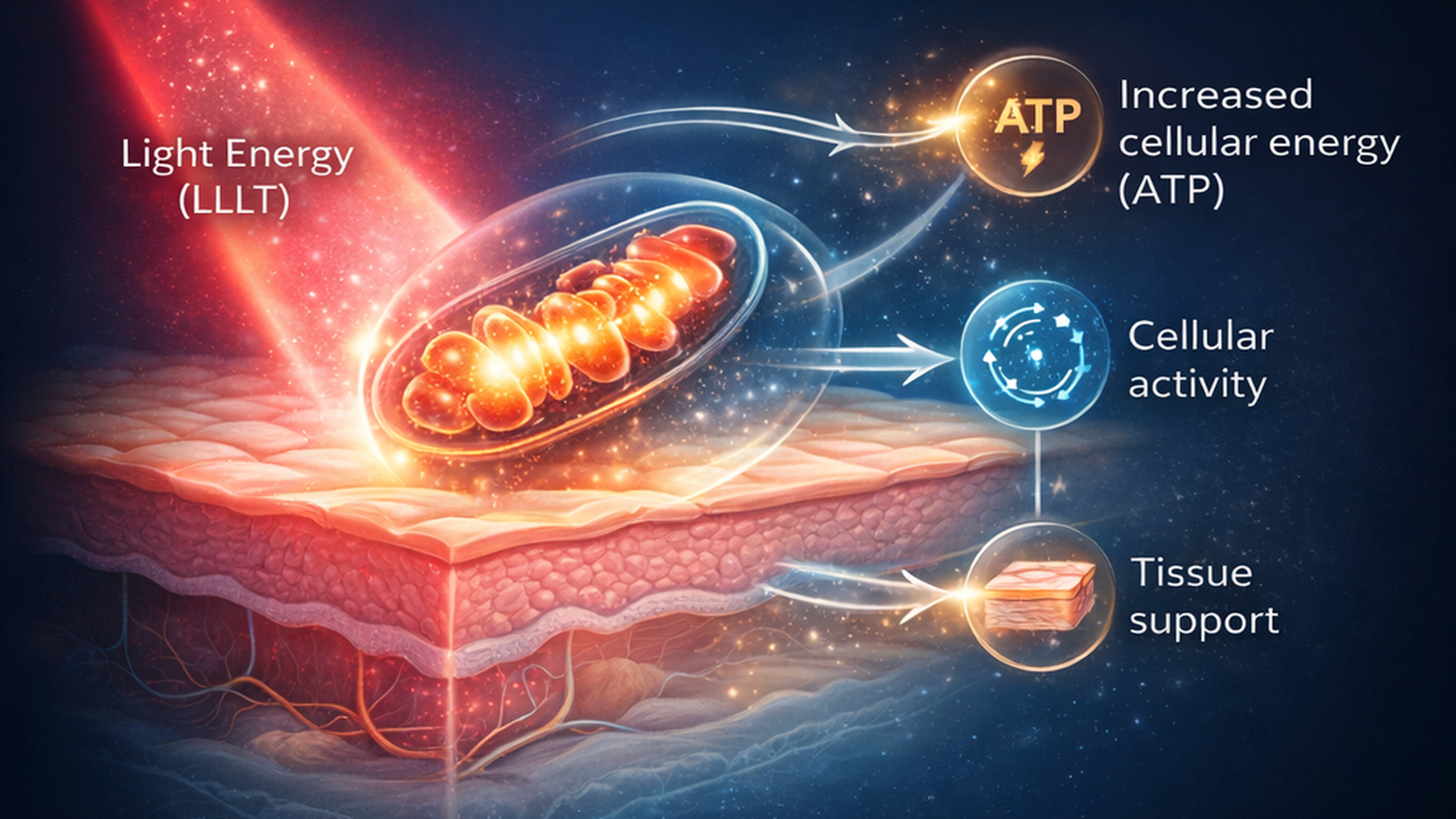
Low-Level Light Therapy works through photobiomodulation.
Instead of using heat, LLLT delivers specific wavelengths of light that interact with cells to support cellular activity and energy production.
Research shows these wavelengths can support mitochondrial activity, ATP production, and overall tissue function.
Because LLLT works through cellular stimulation rather than heat, it can be used across a wide range of patients.
All ages.All skin types.All seasons.
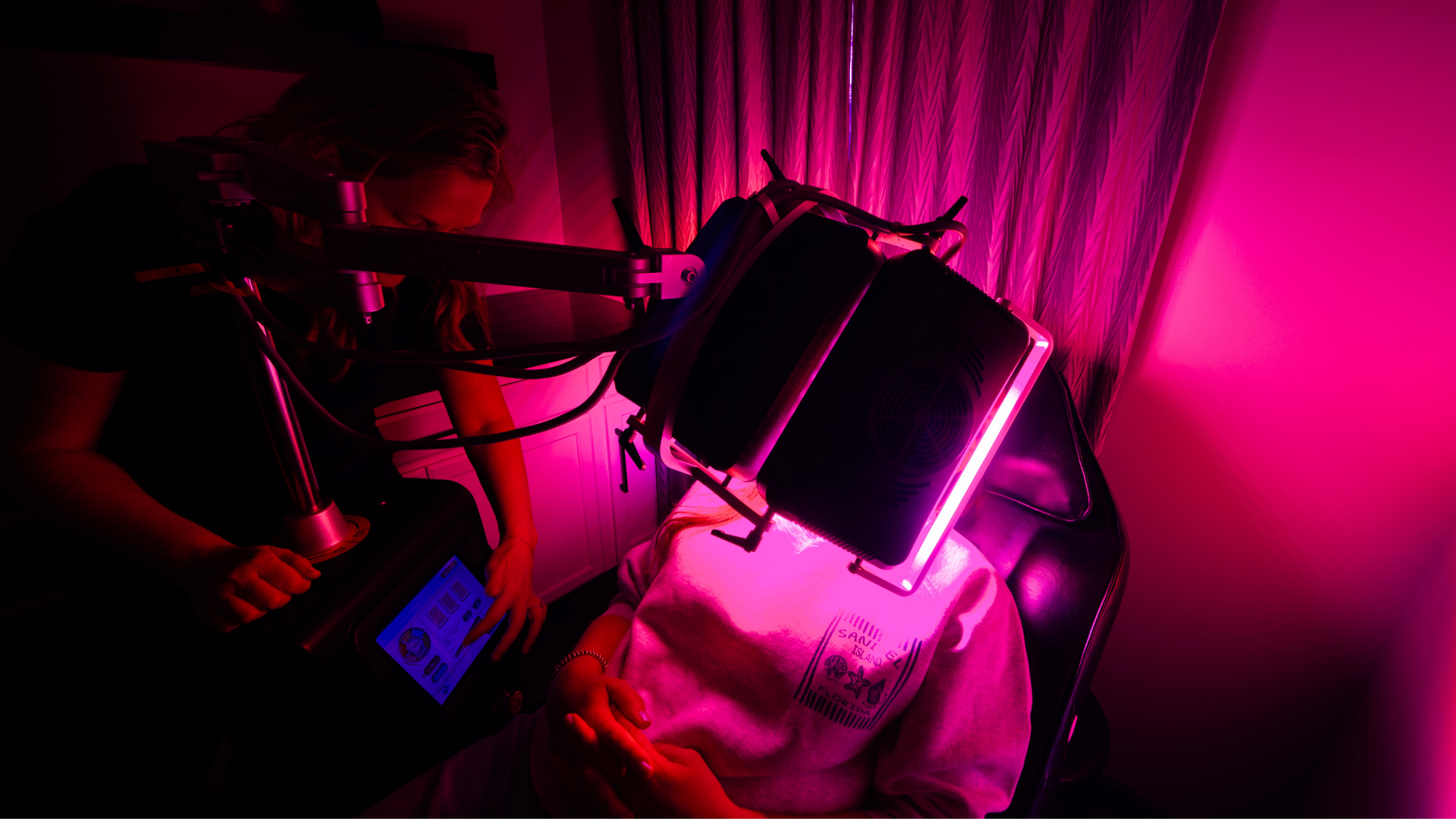
This is where technologies like InfinityPro fit into a broader light-based platform, giving practices a way to expand how they deliver light-based care.
Where This Comes to Life
For patients with visible redness and skin irregularities, many practices start with IPL to target those initial concerns.
From there, care doesn’t stop.
This is where LLLT fits naturally into the protocol, supporting skin health and helping maintain results over time.
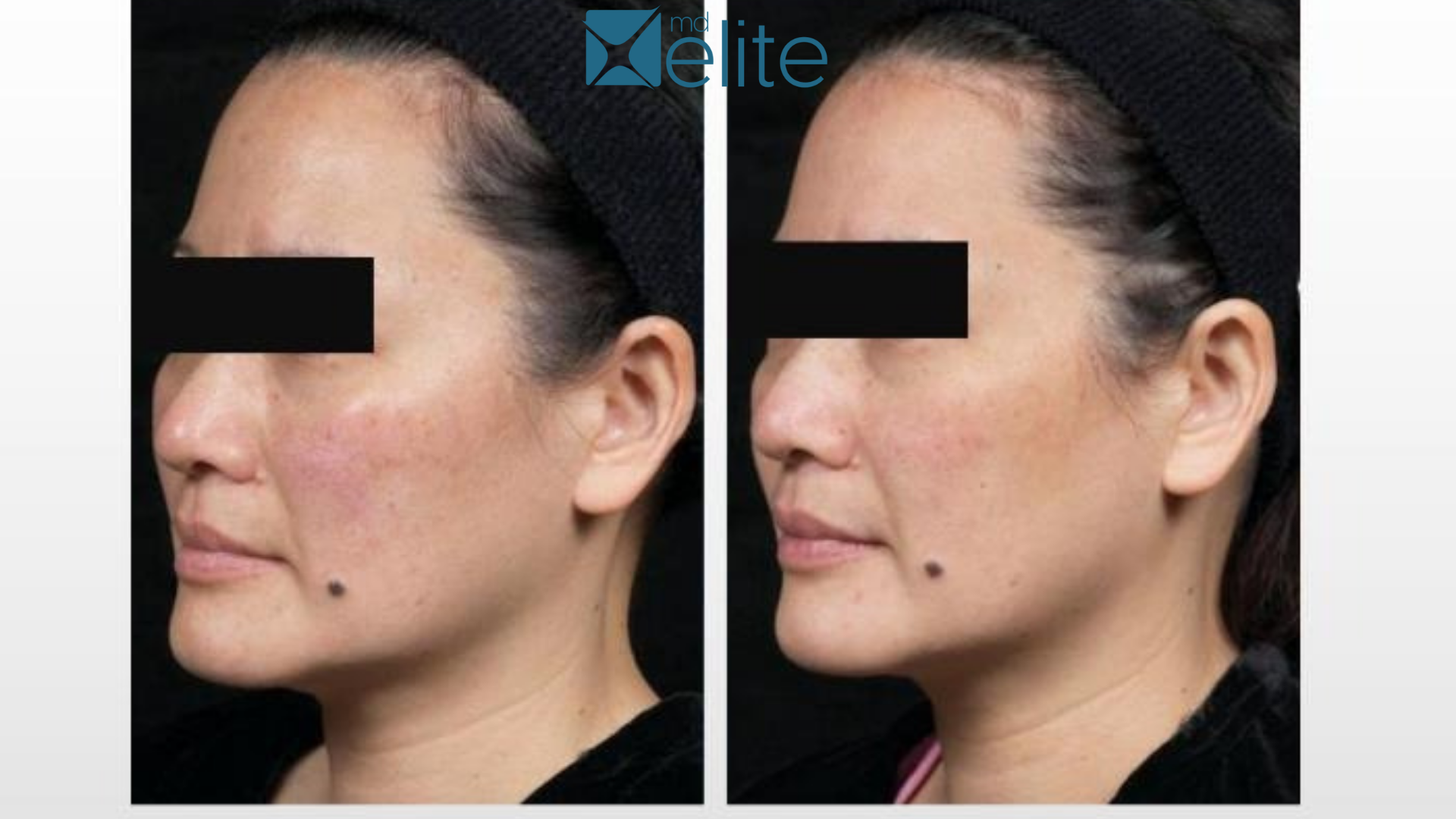
Rosacea management using MDelite InfinityPro LLLT. Individual results may vary.
From Treatment to Maintenance
What starts as treatment becomes a longer-term approach.
Practices adding LLLT into their protocols is maintenance care.
After a patient completes an IPL series, clinics often look for ways to continue supporting the results over time.
LLLT fits naturally into that phase and with platforms like InfinityPro it can be easily integrated.
It can be used as a gentler follow-up modality that helps maintain the benefits of earlier treatments while keeping patients engaged in their care plan.
For practices, that means:
more consistent follow-up visits
long-term patient engagement
recurring treatment pathways
Which ultimately strengthens both patient outcomes and practice stability.
The Takeaway
If your practice is already offering IPL, adding LLLT simply expands what that protocol can do.
Together, they give practices more flexibility in how they care for patients over time.
More treatment pathways.More eligible patients.More opportunities for long-term care.
It gives practices more control over how they treat, support, and retain patients over time.
👉 Connect with your local MDelite representative to explore how technologies like InfinityPro can help you build a light-based protocol in your practice → https://www.mdelite.com/contact
