
The Eye Area Is Being Ignored And It’s Costing Practices Revenue
You’re already seeing it.
Patients you’ve followed for years. Patients whose prescriptions haven’t changed much
But something else has.
The lids.
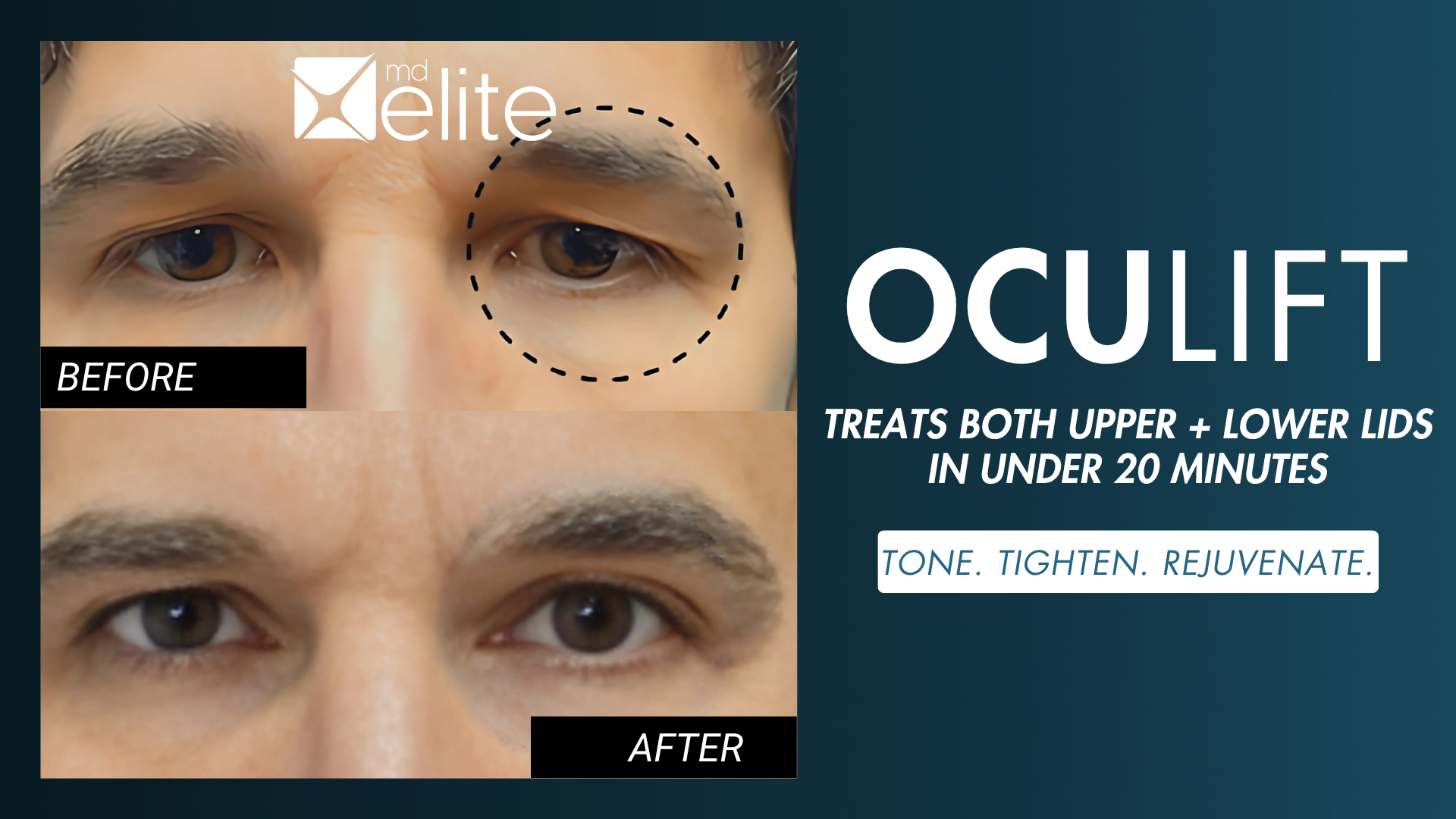
Dermatochalasis isn’t subtle when you start looking for it and it doesn’t stay isolated to appearance.
The Missed Opportunity
At a certain point, this becomes more than cosmetic.
Eyelid laxity (dermatochalasis) directly impacts:
Blink mechanics
Tear distribution
Contact lens fit
Overall eye comfort
But most practices stop at drops, masks, or maintenance.
They’re managing symptoms… not addressing structure.
What Happens When You Actually Treat It
One of the biggest shifts we’ve seen is when practices start treating the lids as functional tissue not just aesthetic tissue.
Dr. Kate Daluyin shared this after implementing OcuLift with iProElite:
“The anatomy of someone’s eyelid really affects how well a scleral lens fits… I’ve been using OcuLift to help lift that heavy lid so the lens can fit the way it’s supposed to.”
And it goes beyond fit.
“Using OcuLift to tighten the lids and support collagen has improved eyelid function. The results are incredible.”
This is where things start to change. Not just how patients look. But how their eyes actually function.
Where OcuLift Fits
Most patients with dermatochalasis aren’t surgical yet.
But they’re also not fully addressed by maintenance care alone.
That’s the gap OcuLift fills.
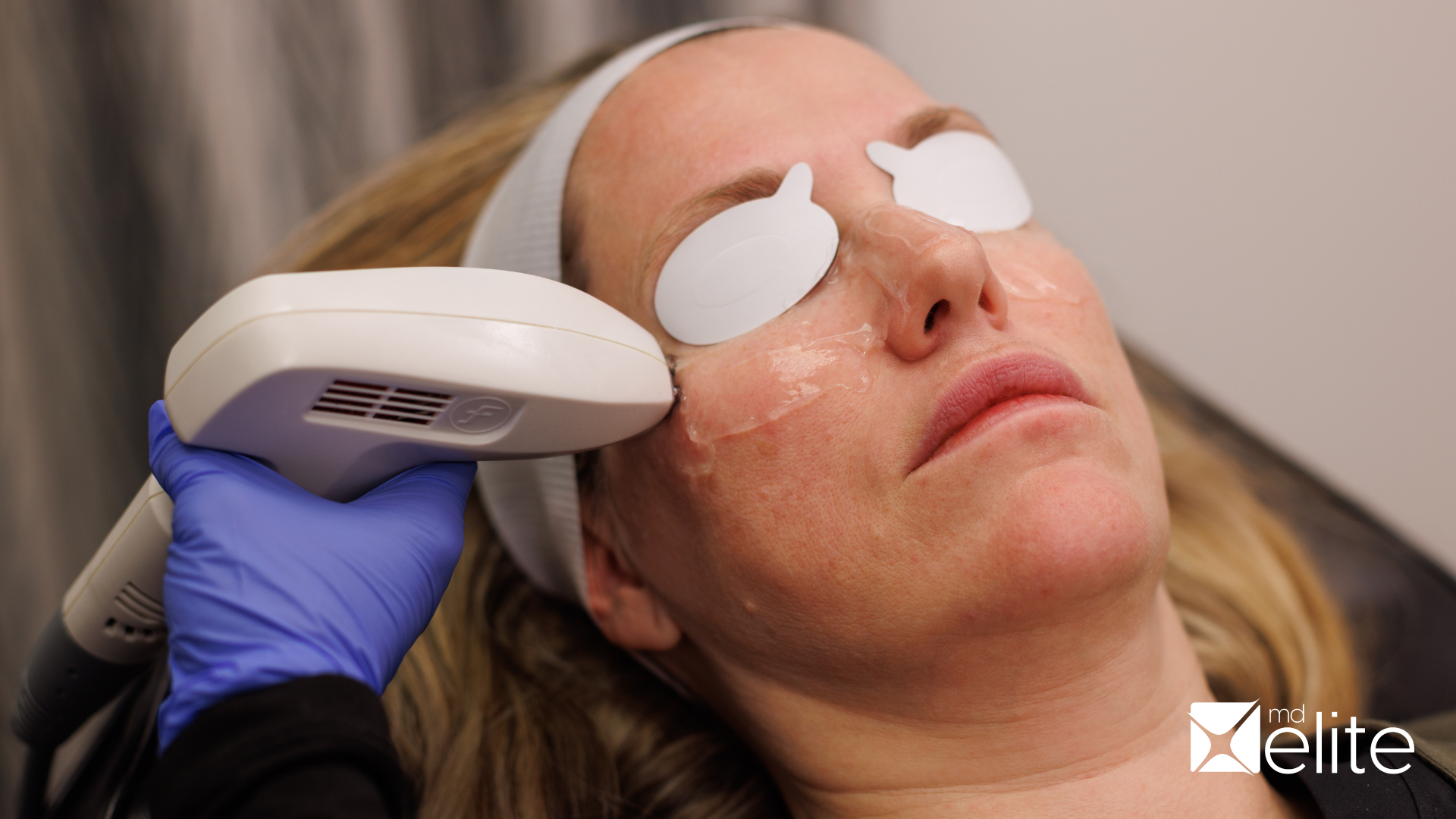
OcuLift gives you a way to actually address the lids in-office, without overcomplicating your workflow.
It’s a 2-step protocol on the iProElite platform, treating both upper and lower lids, and it’s done in under 20 minutes.
It’s simple enough that your team can learn it and realistic enough that it actually gets used.
Where This Becomes a Business Opportunity
This is also a cash-pay service.
No insurance dependency. No need to drive new patient volume.
It’s built around something you’re already seeing from patients in your chair.
Patients notice their lids changing.
They just haven’t had a clear option outside of waiting or being referred out.
This gives you a way to handle it in-house.
Why This Matters More Right Now
For many patients, the conversation around eyelid laxity doesn’t happen until it reaches the point of surgical referral
But there’s a large group in between:
Patients who aren’t quite surgical candidates
Patients who have moved beyond simple maintenance care
And historically, there hasn’t been a clear place for them in the treatment plan
Until now.
You’re already seeing it. Now there’s a way to treat it.
Connect with your local MDelite representative to explore how OcuLift fits into your workflow
